
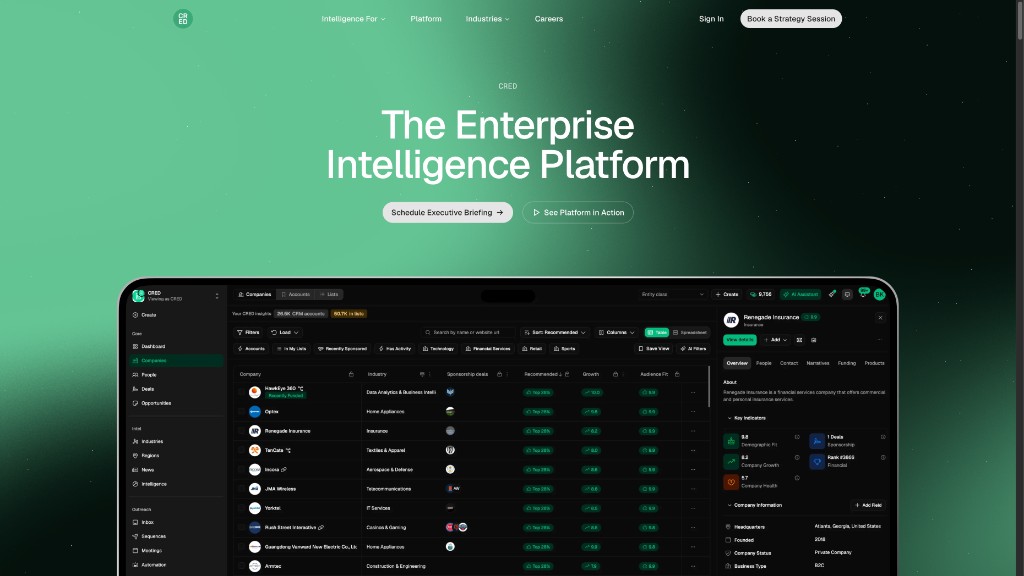
CRED
Designer · Aug 2025 – Present · San Francisco, California, United States
[product building in the agentic era]
Teams and companies I've shipped product with.
Product work across time zones, markets, and distributed teams.
Capabilities I bring to product teams from discovery through launch.
Public GitHub contribution activity from the last six months.
Loading public GitHub activity
Legacy design sprint
AI era workflow
Design sprints protected teams from building too early. AI collapses draft and build cost, so loops compress into build, ship, and iterate — with framing, review, and evidence as the new bottleneck.


The shift from Figma-first to code-first was inevitable as models got better at context. It went from Figma-assisted workflows, to no Figma, to code as the default. Adapting to changing workflows has been incredibly worthwhile. I get to focus on solving problems instead of managing systems. Figma left my stack in days, not weeks. I'd fantasised about turning designs into code for years, and incredible AI tools have finally made it a complete possibility.
A collection of artworks from the personal project @neonhueman. Collectively selling for over 16,000 USD. 100% Free to Enjoy
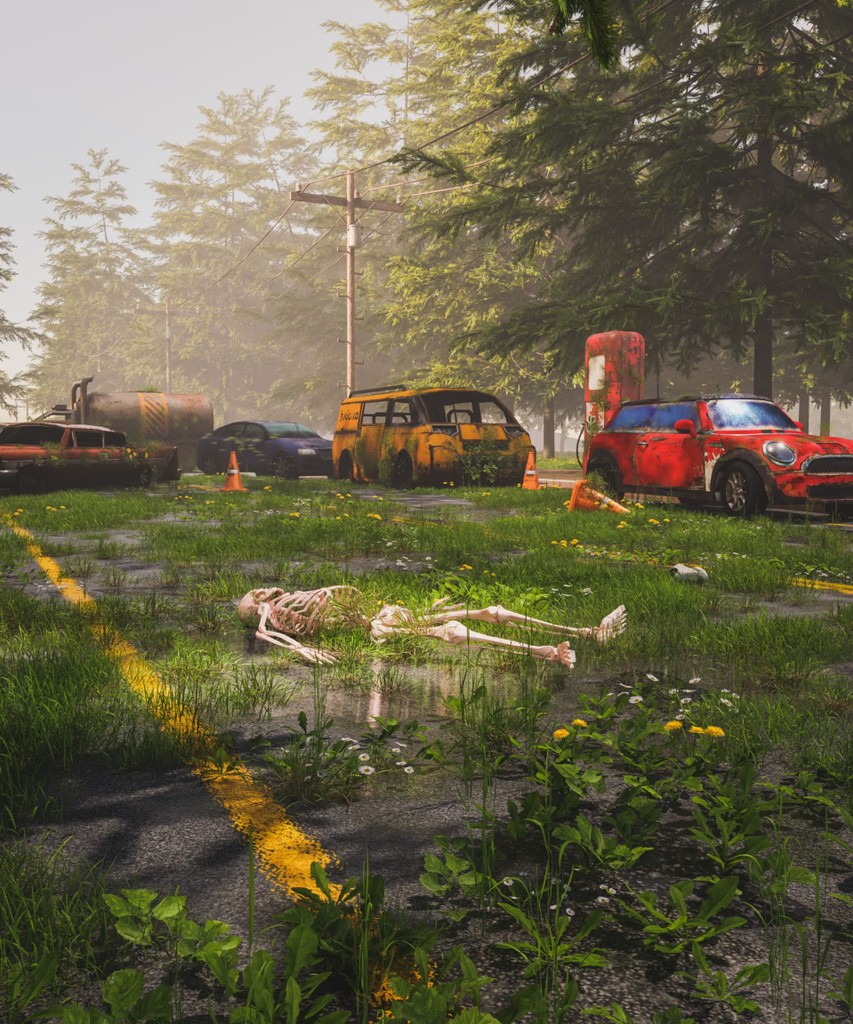
Abandoned Parking Lot
Digital art

Memento Mori
Digital art

Marble Temple Meadow
Digital art
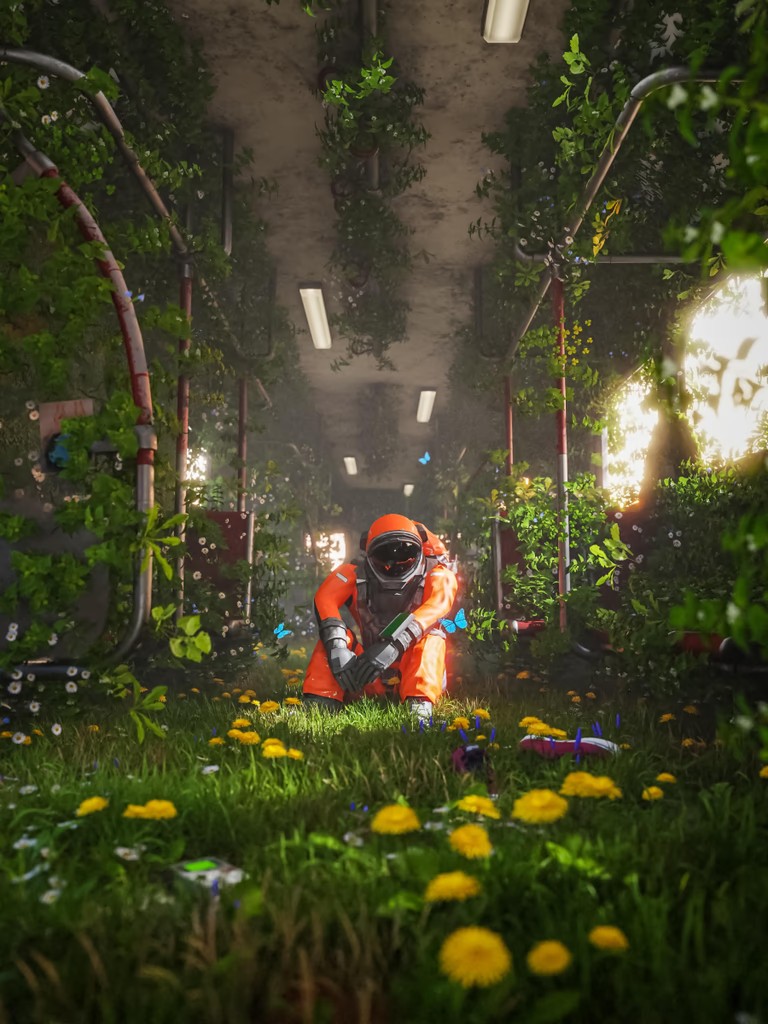
Overgrown Subway
Digital art

Rainbow Portal
Digital art
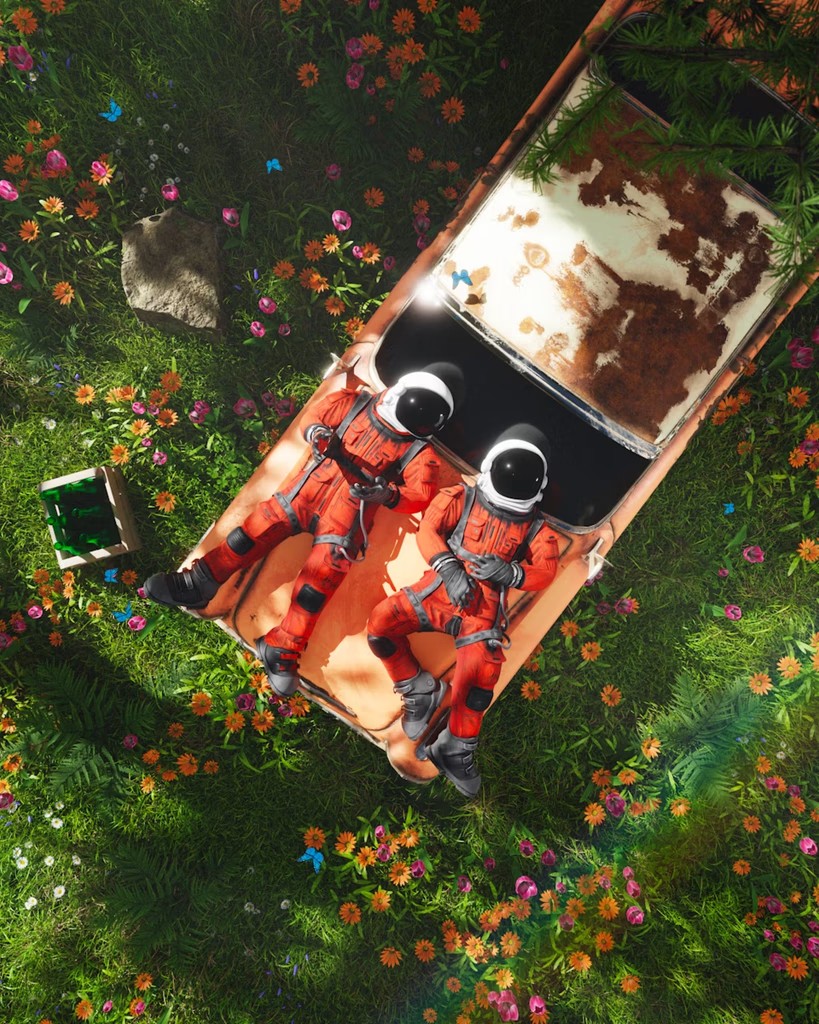
Resting Astronauts
Digital art